Prosthetic limbs
Custom solutions built for real life.
Losing a limb, whether through injury, illness or surgery, changes how you move through life. Simple things like walking, working or even standing comfortably can suddenly feel uncertain.
At Brian McKibbin Orthopaedics, the focus is on helping you regain that sense of stability and control. A prosthetic limb is not just about replacing what was lost, it is about restoring movement in a way that feels natural, reliable and suited to your daily life.
With over 40 years of experience, Brian takes a practical, hands on approach to every patient. Each prosthesis is carefully designed, fitted and refined to ensure it works where it matters most, in real life.
Based in Durban, the practice works with patients from across South Africa who travel for specialised prosthetic care, looking for solutions that are built properly and made to last.
- $Lower limb prosthetics
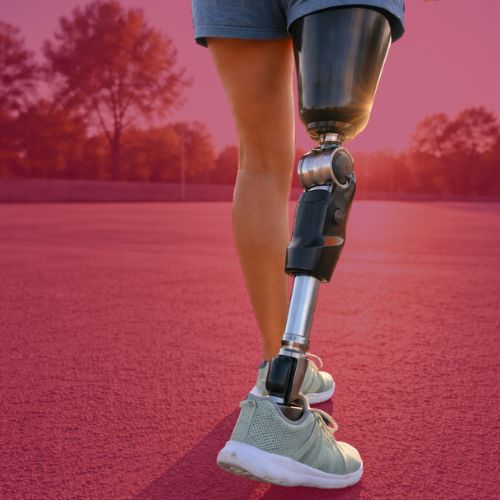
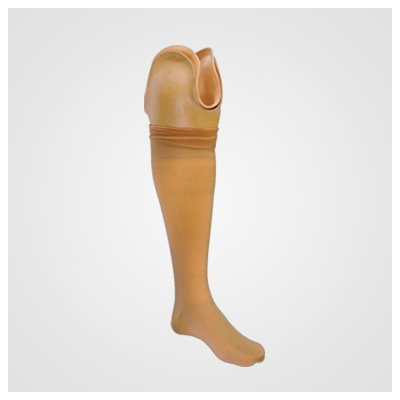
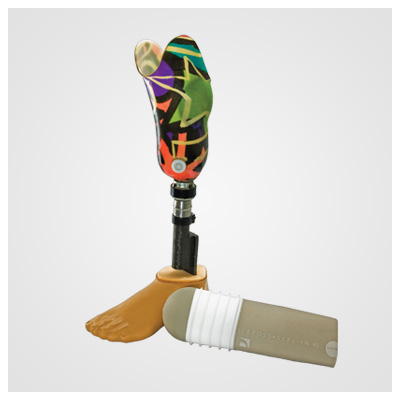
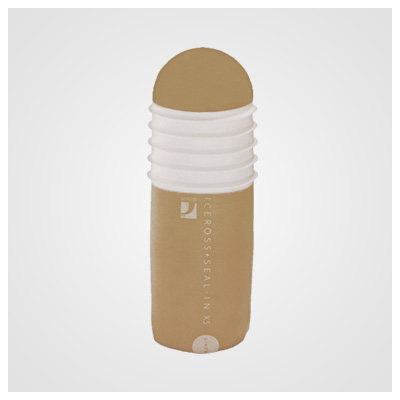
Lower limb prosthetics are designed to restore walking ability and stability following amputation.
These include
- Above knee prosthetics
- Below knee prosthetics
Each device is designed to provide the right balance of comfort, alignment and mobility based on the patient’s lifestyle.
- $Upper limb prosthetics
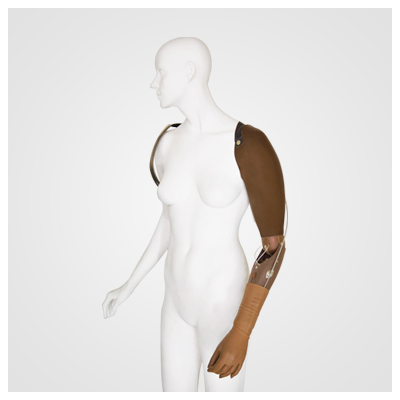
Upper limb prosthetics are designed to restore function, assist with daily activities and, where needed, improve the appearance of the limb.
These include
- Arm prosthetics
- Hand prosthetics
- Partial hand and finger prosthetics
Depending on the requirement, solutions may focus on functional movement, aesthetic restoration, or a combination of both.
- $Real-life silicone prosthetics
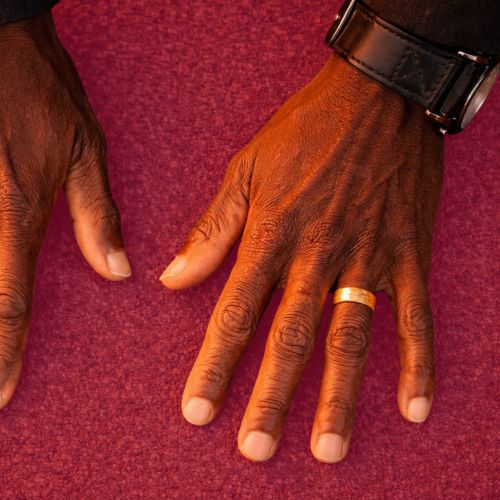
Silicone prosthetics are highly detailed, realistic devices designed to match the natural appearance of the limb.
They are commonly used for
- Finger prosthetics
- Partial hand prosthetics
These prosthetics offer a natural look while also providing practical everyday use.
Who may need a prosthetic limb.
Prosthetic limbs can benefit patients in a range of situations:
- $Limb loss due to injury or trauma
- $Medical conditions requiring amputation
- $Congenital limb differences
Each patient is assessed individually to determine the most suitable prosthetic solution.
The prosthetic process.
Getting a prosthetic limb is a step by step process, designed to ensure the best possible fit, comfort and long term performance. Each stage is carefully managed to suit your individual needs and lifestyle.
Assessment
We start by understanding your situation properly. This includes how you move, your daily routine, and what you need the prosthesis to do in real life. This step sets the foundation for everything that follows.
Design
Your prosthetic limb is designed around your body and your lifestyle. Component selection and design choices are made carefully to ensure the right balance between comfort, durability and function.
Fitting
The fitting process is hands on and detailed. Adjustments are made to ensure the prosthesis sits correctly, feels stable and allows for natural movement.
Ongoing support
Small adjustments make a big difference. Follow up appointments ensure the prosthesis continues to fit well and perform as your body adapts over time.
Frequently asked questions
What is a prosthetic limb?
A prosthetic limb is an artificial device designed to replace a missing arm, leg, hand or foot, helping restore movement and function.
How long does it take to get a prosthetic limb?
The process varies depending on the type of prosthesis, but typically includes assessment, design, fitting and follow up adjustments over several appointments.
Are prosthetic limbs comfortable?
When properly fitted and adjusted, prosthetic limbs are designed to be comfortable and functional for daily use.
How long does a prosthetic limb last?
The lifespan depends on usage and components, but regular follow ups help maintain comfort and performance over time.
Book a consultation.
Book an assessment to discuss your needs and explore the most suitable prosthetic solution.