
Mobility and home care equipment
Supporting safer movement and greater independence at home.
When mobility becomes more difficult, even simple daily tasks can start to feel frustrating. Getting in and out of bed, moving around the house or walking longer distances can become more challenging than they once were.
At Brian McKibbin Orthopaedics, mobility and home care equipment is selected to make everyday life easier, safer and more comfortable. Whether it is short-term support after surgery or a longer-term solution for reduced mobility, the focus is always on helping patients maintain as much independence as possible.
With over 40 years of experience, Brian McKibbin understands that the right equipment can make a meaningful difference to the quality of life, both for the patient and for their family.
Based in Durban, the practice works with patients from across South Africa who travel for specialised mobility support and home care solutions.
Equipment solutions for different needs.
Every patient is different, which is why mobility and home care equipment is selected based on the level of support required and the way the patient moves through daily life.
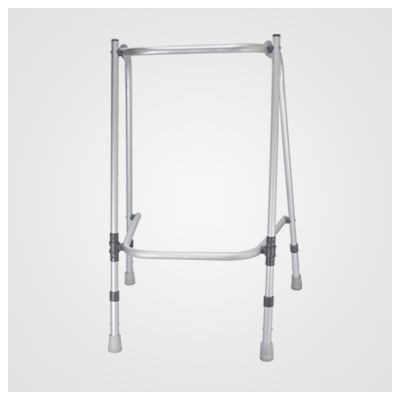
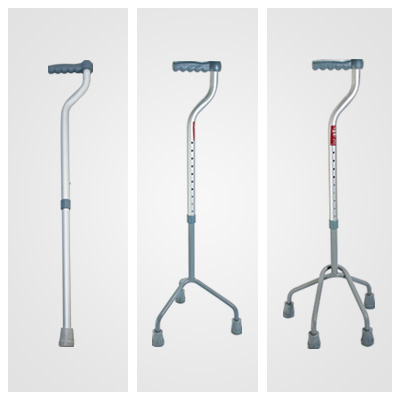
- $Walking aids
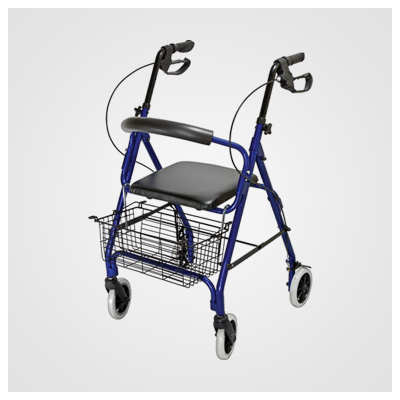
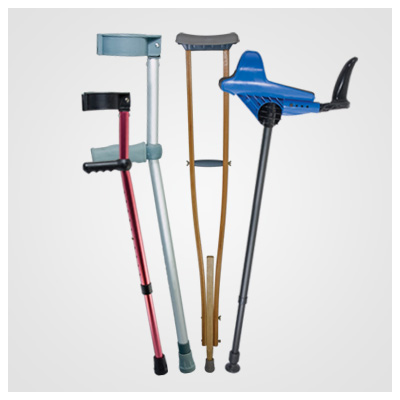
Walking aids provide extra support and stability for patients who feel unsteady on their feet or who need help with balance.
These may include:
- Walking frames
- Crutches
- Canes
- Rollators
- $Wheelchairs and mobility support
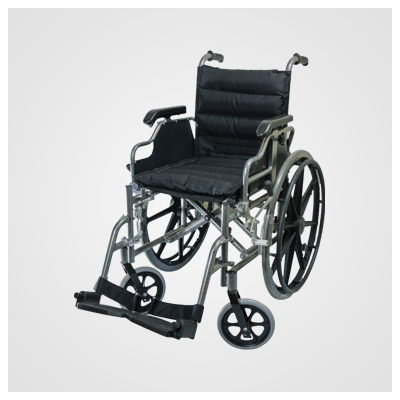
Wheelchairs and mobility aids can assist patients who need additional support over longer distances or who are unable to walk comfortably on their own.
Both short-term and long-term mobility needs are considered when selecting the most suitable option.
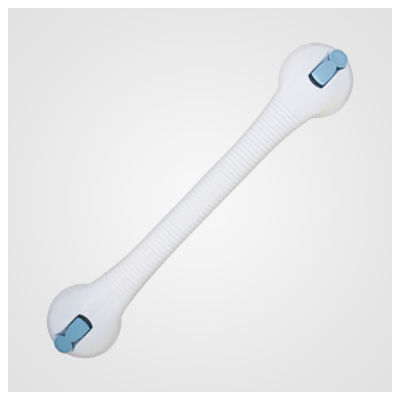
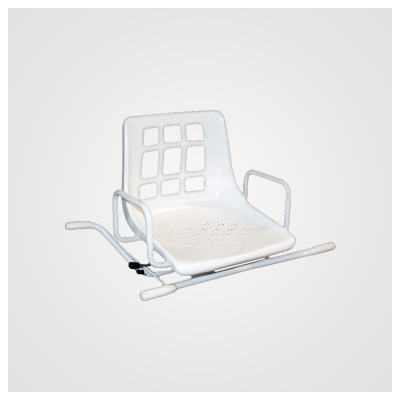
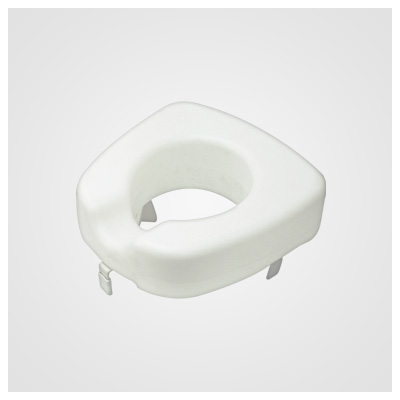
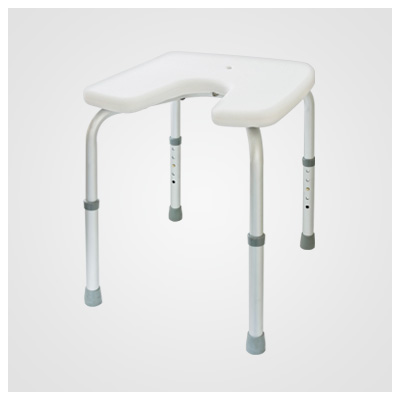
- $Bathroom and home safety equipment
Bathroom and home care equipment can make daily tasks safer and easier, particularly for patients with limited mobility or reduced balance.
This may include:
- Shower chairs
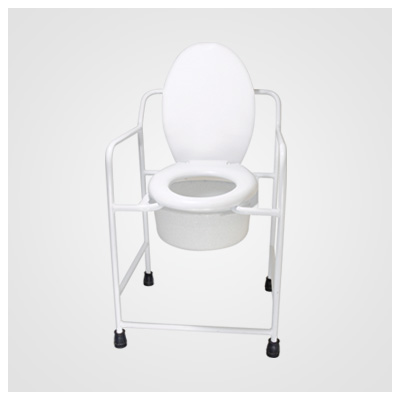
- Raised toilet seats
- Grab rails
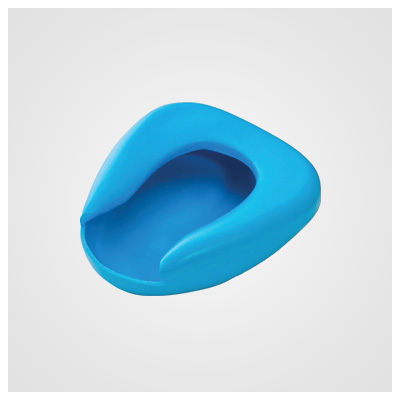
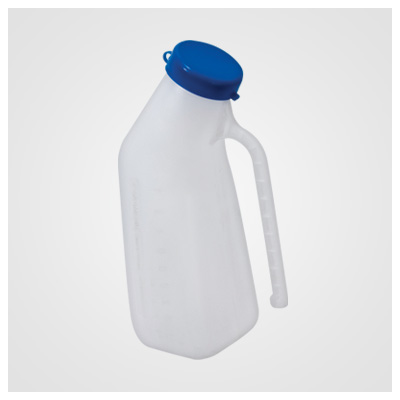
- Bedside commodes
- $Daily living support equipment
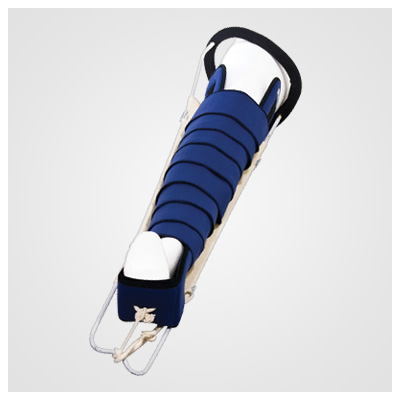
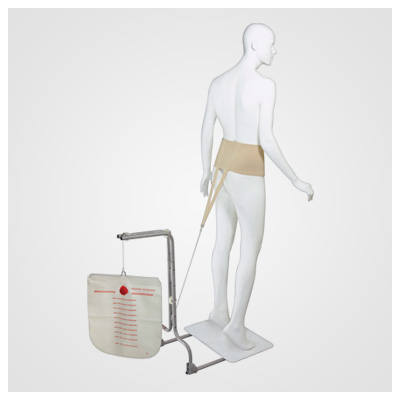
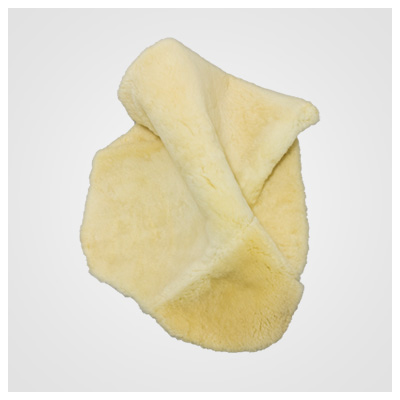
Some patients benefit from smaller support products that make everyday tasks easier and reduce strain on the body.
These may include:
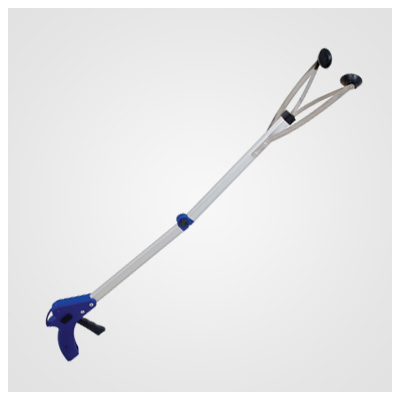
- Reaching aids
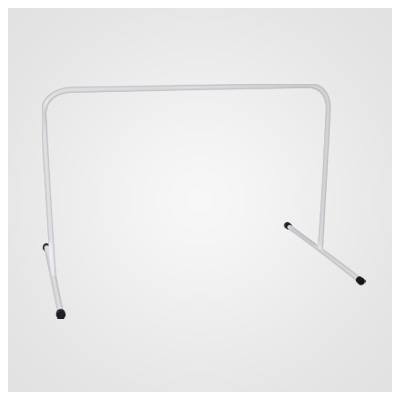
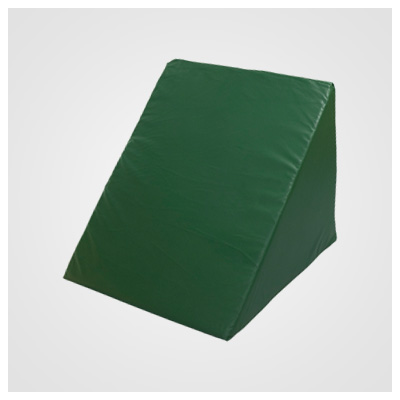
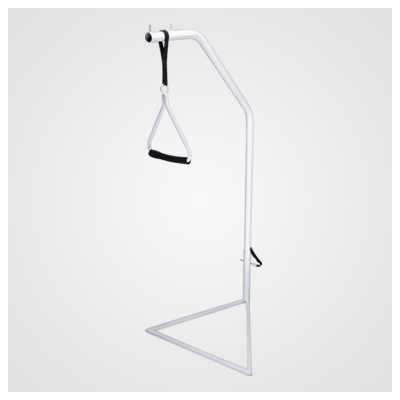
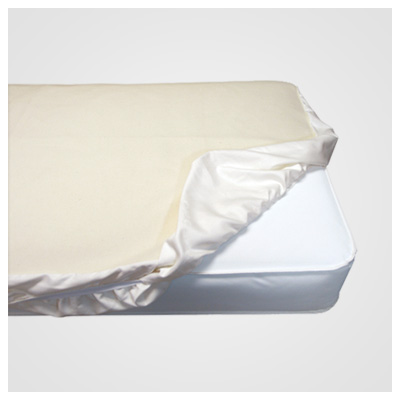
- Bed supports
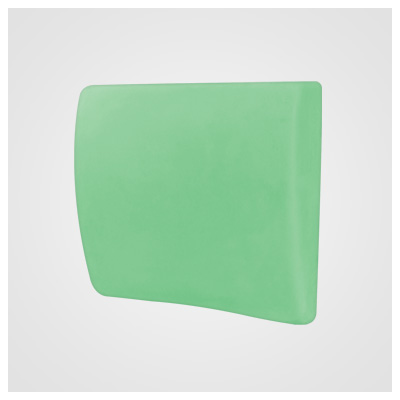
- Cushions
- Transfer aids
Support for everyday movement at home.
Mobility and home care equipment is designed to improve safety, reduce strain and make everyday tasks more manageable.
This can help with:
- $Walking more comfortably
- $Moving around the home safely
- $Getting in and out of bed or chairs
- $Reducing the risk of falls
- $Supporting recovery after injury or surgery
For many patients, having the right support in place makes it easier to stay independent and continue with everyday routines.
The fitting and selection process.
Choosing the right mobility equipment is about more than just the product itself. It is important to understand how the patient moves, where support is needed and what will work best in their home environment.
Assessment
We assess the patient’s mobility, strength, balance and daily routine to understand where support is needed most.
Equipment selection
The most suitable equipment is selected based on the patient’s needs, home setup and level of mobility.
Fitting and adjustment
Where needed, equipment is adjusted to ensure it is safe, comfortable and easy to use.
Follow up
As needs change over time, equipment can be reviewed and adjusted to ensure it continues to provide the right support.

Frequently asked questions
What mobility aids are available?
Mobility aids can include walking frames, canes, crutches, rollators, wheelchairs and other equipment designed to support movement and balance.
Can mobility equipment help prevent falls?
Yes. Many mobility and home care products are designed to improve stability and reduce the risk of falls around the home.
Do I need a wheelchair or a walking aid?
This depends on your level of mobility and how much support you need. An assessment can help determine the most suitable option.
Can home care equipment make daily tasks easier?
Yes. Equipment such as shower chairs, grab rails and transfer aids can make everyday activities safer and more manageable.
Is mobility equipment only for older patients?
No. Mobility equipment can assist people of all ages who are recovering from surgery, injury or dealing with reduced mobility.
Book a mobility assessment.
Book a consultation to discuss your needs and find the right solution for your daily life.