
Orthotic Bracing And Orthopaedic Appliances
Supporting patients across South Africa.
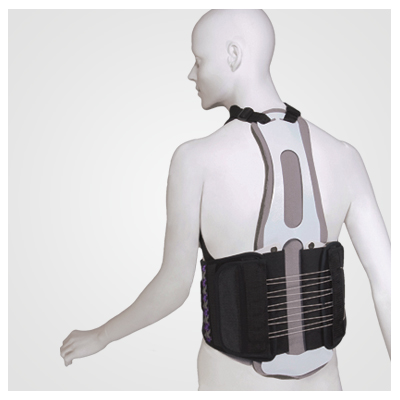
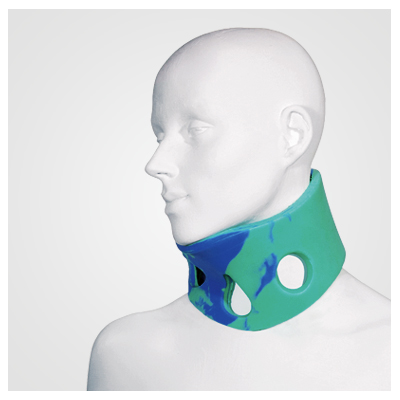
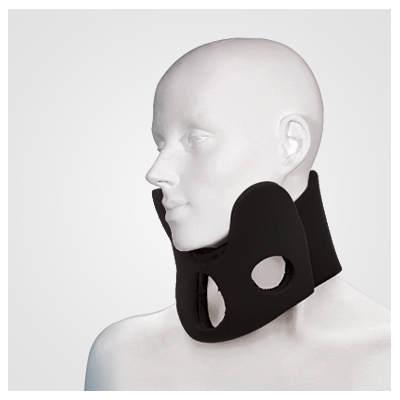
Orthotic bracing is often about getting the small things right. When a joint is unstable, painful or not moving as it should, the right support can make a noticeable difference in how you move through your day.
At Brian McKibbin Orthopaedics, the focus is on providing bracing that works in real life. Whether it is a custom designed solution or a high quality brace from a leading international brand, the goal is always the same, to improve stability, reduce discomfort and support natural movement.
With over 40 years of experience, each brace is carefully selected, fitted and adjusted to ensure it performs properly over time.
Based in Durban, the practice works with patients from across South Africa who travel for specialised orthotic care.
Types of orthotic bracing
- $Custom orthotic bracing
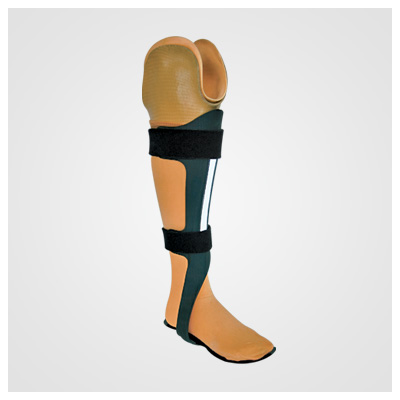
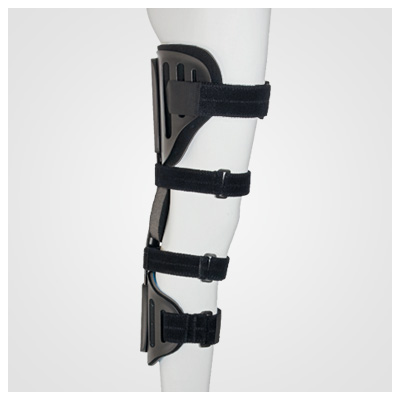
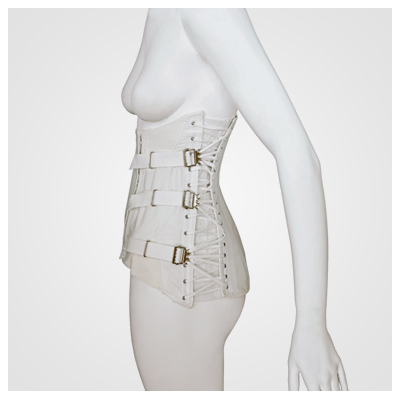
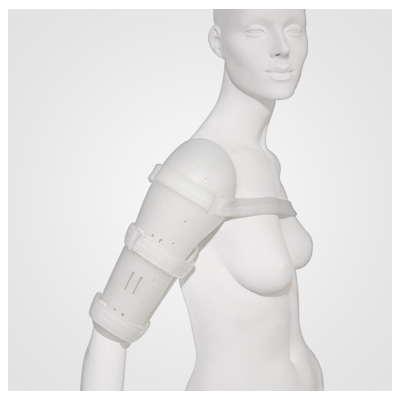
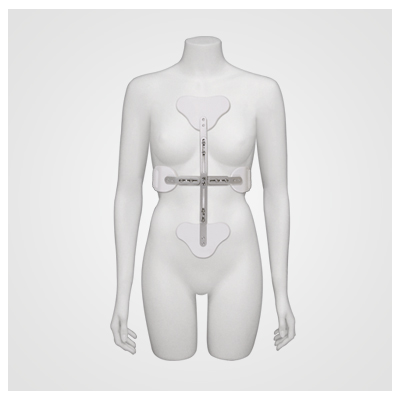
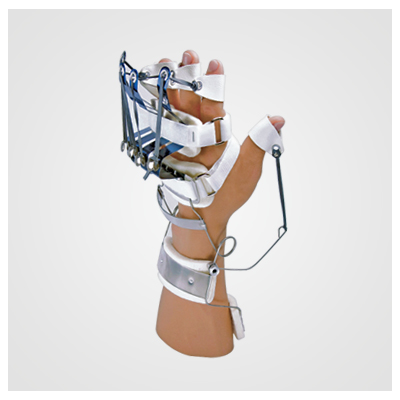
Custom braces are designed for patients who need a more precise level of support.
This is often the case where standard braces are not sufficient or where the condition requires a more tailored approach.
These solutions are built around the individual to ensure proper alignment, stability and comfort.
- $Branded orthotic braces
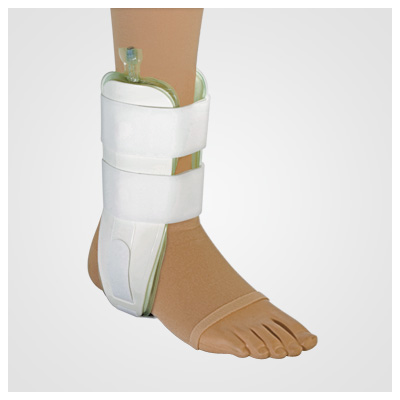
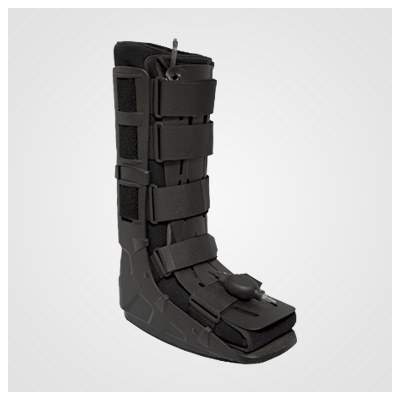
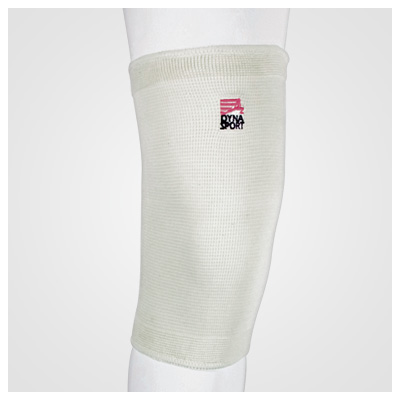
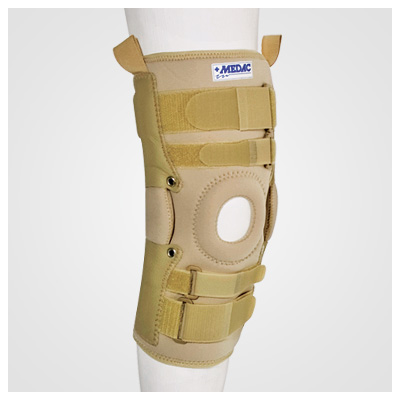
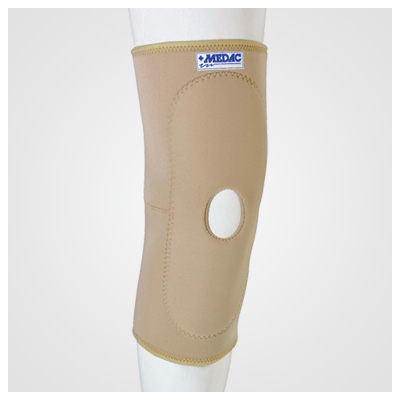
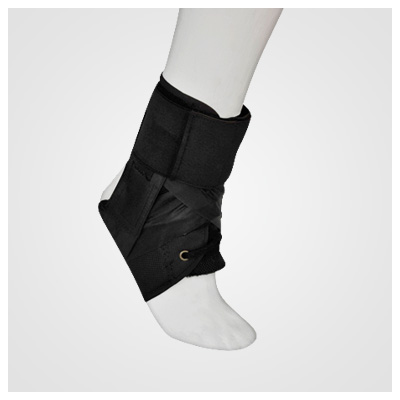
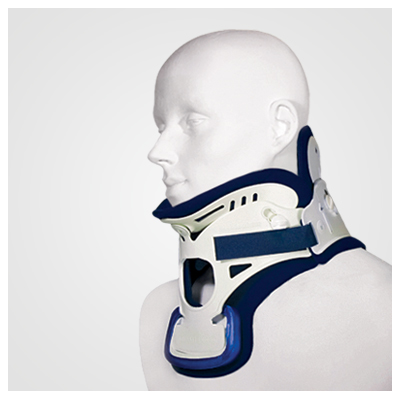
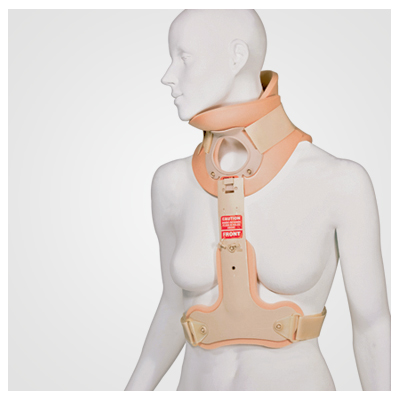
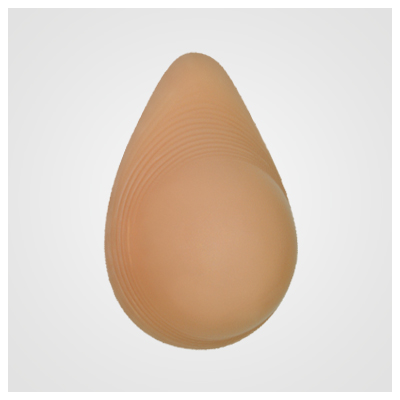
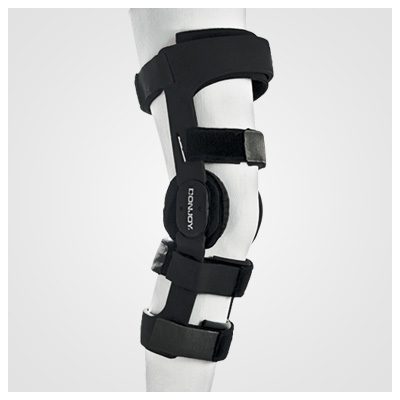
In addition to custom solutions, Brian McKibbin Orthopaedics supplies premium braces from leading international brands at the forefront of orthopaedic technology.
These braces are widely used for sports injuries, ligament support and joint stabilisation, offering reliable, high performance support when it is needed most.
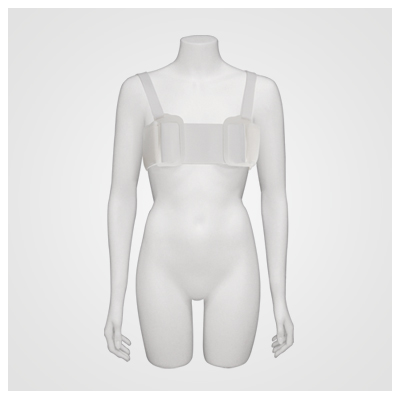
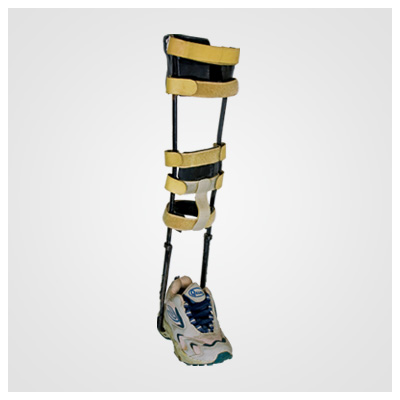
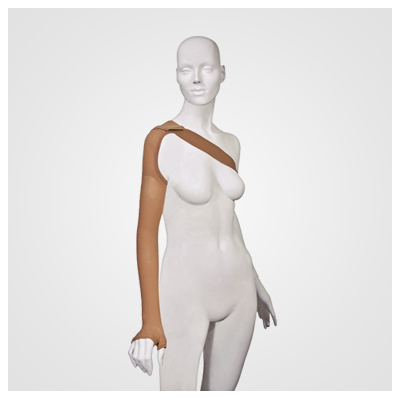
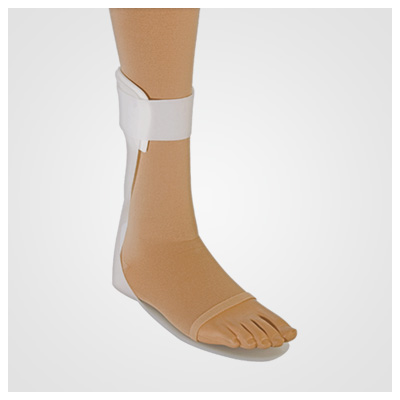
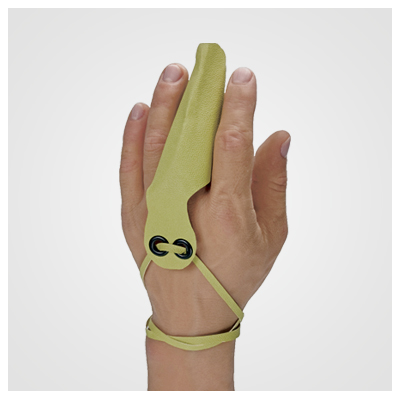
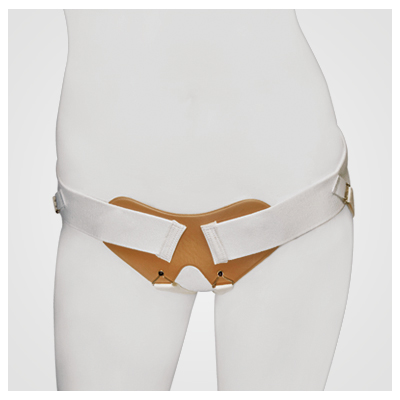
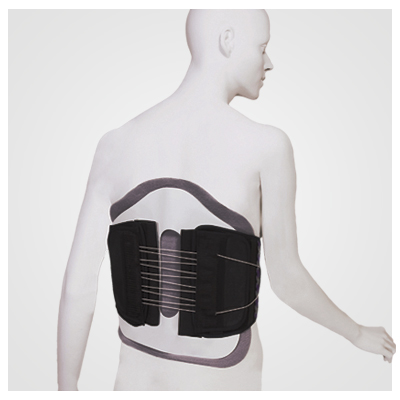
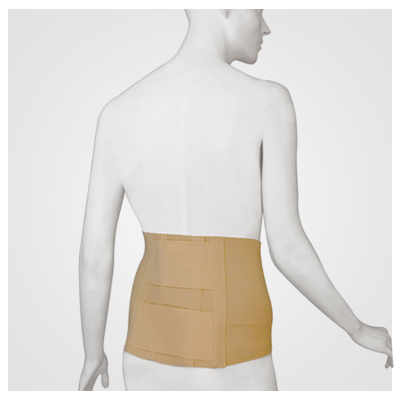
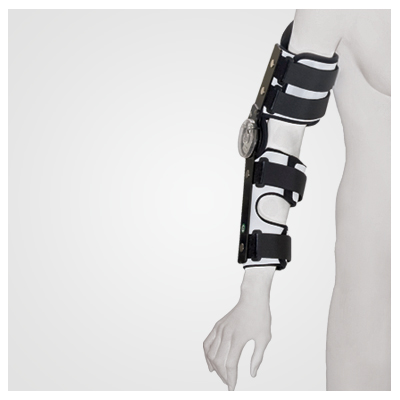
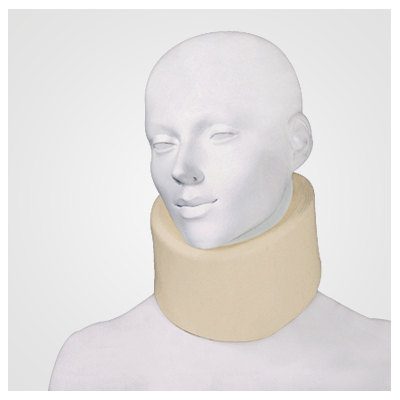
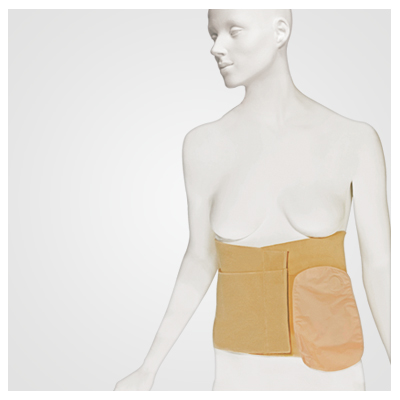
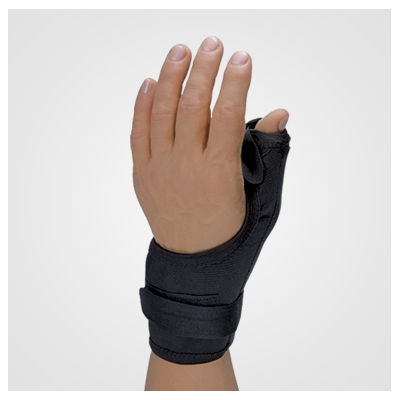
These orthotic bracing options can be used to support different joints and areas of the body including the following:
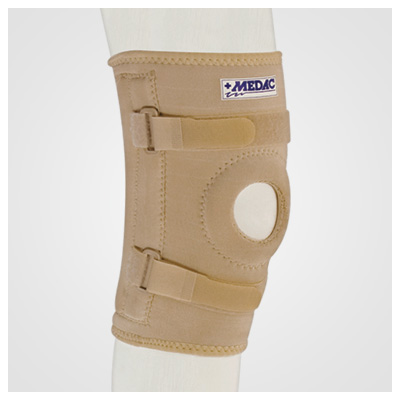
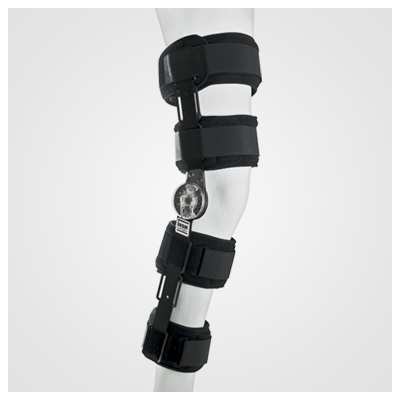
- Knee bracing
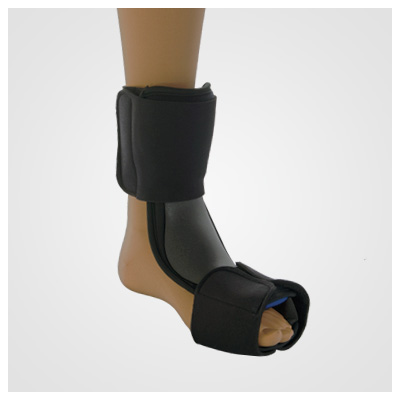
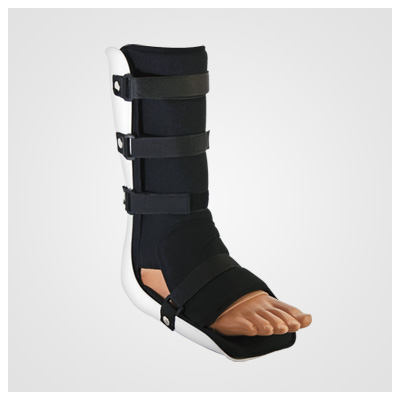
- Ankle support
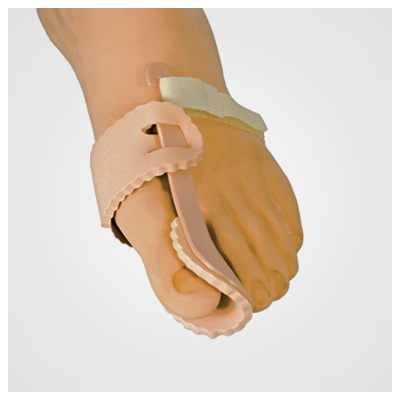
- Foot orthotics
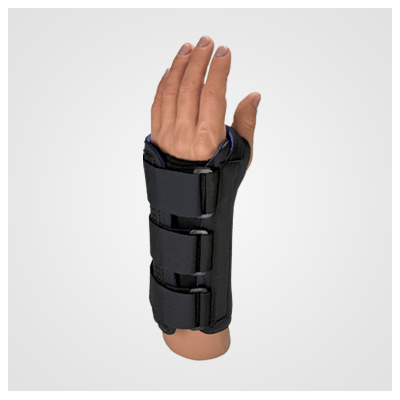
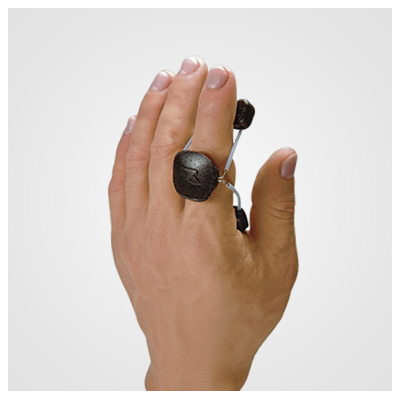
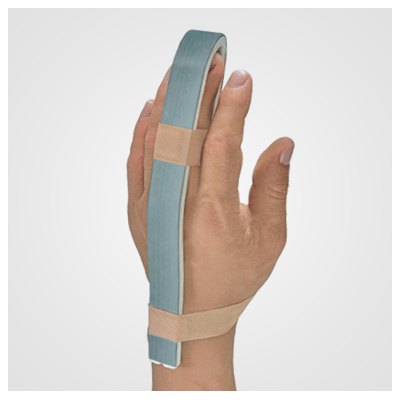
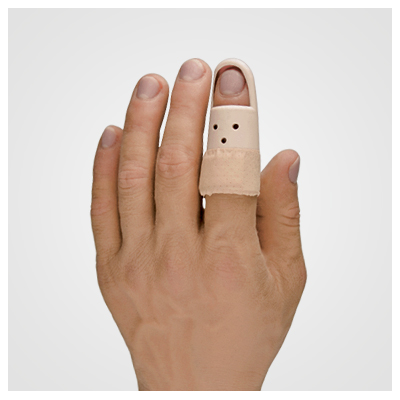
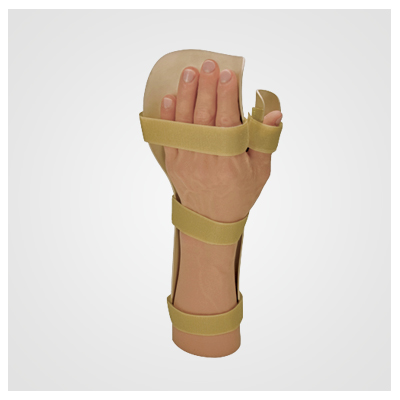
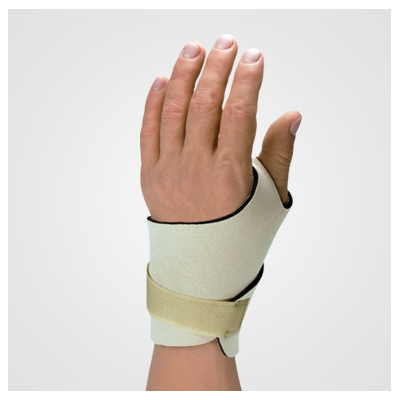
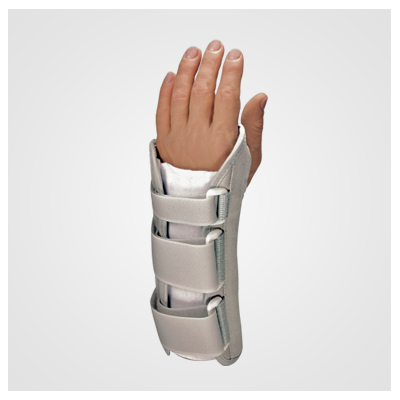
- Wrist and hand support
- Shoulder bracing
Each area requires a different level of support to ensure proper movement and stability.
Who orthotic bracing can help.
Orthotic bracing is commonly used for:
- $Sports injuries
- $Joint instability
- $Ligament injuries
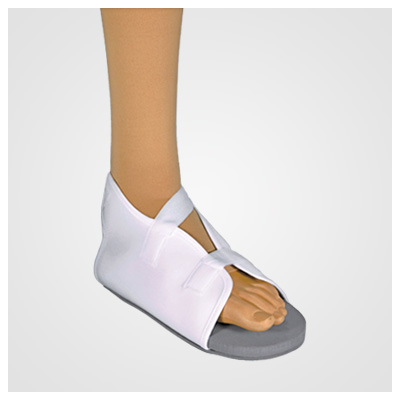
- $Foot and ankle conditions
- $Diabetic foot support
Each patient is assessed individually to determine the most appropriate solution.
The fitting process.
Getting the right brace is not just about choosing the product, it is about making sure it fits properly and supports you in a way that feels natural and comfortable.
Assessment
We take the time to understand how you move, where you are experiencing discomfort and what your daily routine looks like. This helps us identify exactly where support is needed and what type of bracing will work best for you.
Design
Based on your assessment, we either select a brace or design a custom solution. The decision depends on the level of support required and what will work best for your specific condition. The focus is always on achieving the right balance between support, comfort and natural movement.
Fitting
The brace is fitted carefully and adjusted to ensure it sits correctly and feels stable without restricting natural movement. We make sure you are comfortable wearing it and confident using it before you leave.
Follow up
As you begin using the brace in your daily routine, we monitor how it performs in real movement. If anything feels uncomfortable, restrictive or not quite right, adjustments can be made to improve the fit and support. The goal is to ensure the brace works with your body, not against it.





Frequently asked questions
What is orthotic bracing?
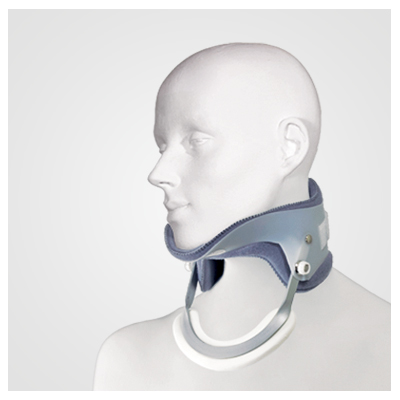
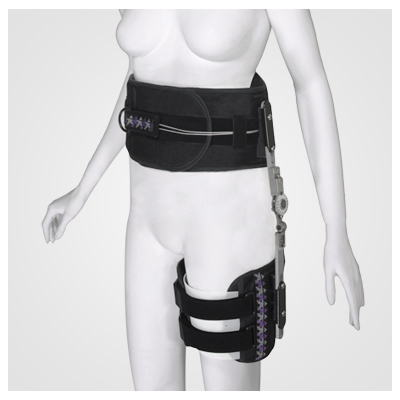
Orthotic bracing refers to external supports used to stabilise joints, improve alignment and assist movement. These braces can help reduce pain, improve stability and support recovery from injury.
Do I need a custom brace or a standard brace?
This depends on your condition and the level of support required. Some situations can be managed effectively with a pre-made brace, while others benefit from a custom designed solution for a more precise fit and better support.
Can orthotic bracing help with sports injuries?
Yes. Orthotic bracing is commonly used to support joints after sports injuries, protect against further strain and assist during recovery.
Will wearing a brace limit my movement?
A properly fitted brace should support your movement, not restrict it. The aim is to provide stability while still allowing natural movement where it is needed.
How long will I need to wear a brace?
This varies depending on your condition. Some braces are used short term during recovery, while others may be worn longer to provide ongoing support.
Book an orthotic consultation.
Book a consultation to discuss your needs and find the right orthotic bracing solution.