
Sports injury bracing
Helping you stay active and move with confidence.
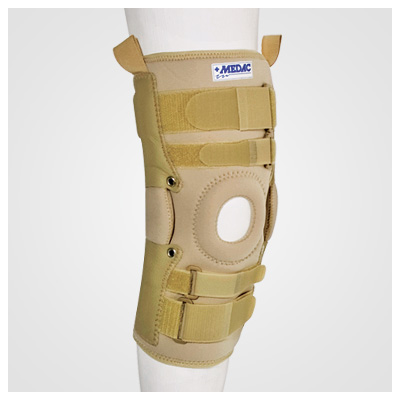
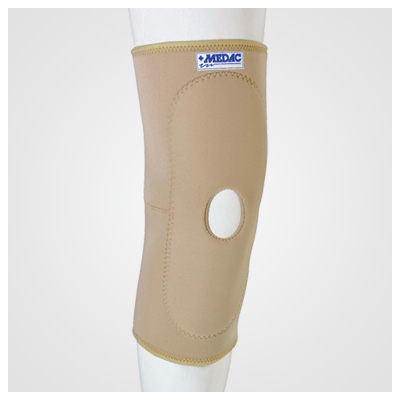
When a joint is injured or unstable, it changes how you move. Whether it is a knee that no longer feels secure, an ankle that keeps giving way, or a shoulder that limits your movement, the right support can make a real difference.
At Brian McKibbin Orthopaedics, sports injury bracing is about helping you stay active. That might mean getting back to running, enjoying a round of golf, or returning to competitive sport with confidence.
With over 40 years of experience, each brace is carefully selected or designed to support movement, protect the joint and allow you to continue doing what you enjoy.
Based in Durban, the practice works with patients from across South Africa who travel for specialised sports injury bracing.
Bracing solutions for different levels of activity.
Not every patient has the same needs. Some are recovering from an injury, others are managing ongoing instability, and some want to stay active without risking further damage. Because of this, bracing is not a one size fits all solution. In some cases, a well selected brace provides the right level of support, while in others a custom solution is needed.
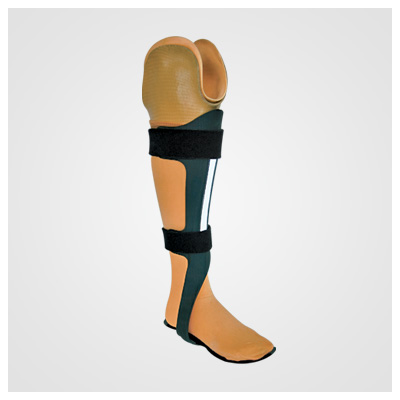
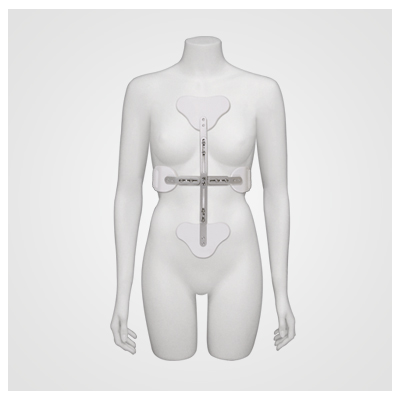
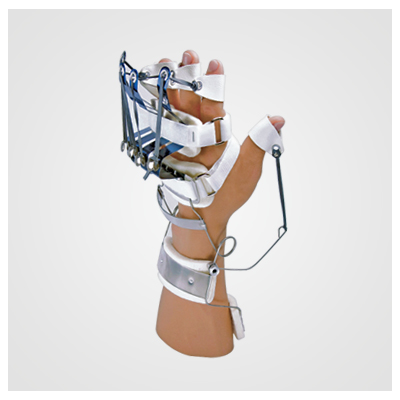
Custom braces are used where more precise support is required, particularly in more complex cases or where standard bracing does not provide the right fit.
- $Everyday movement and light activity
For those who want to stay active with walking, gym training or general movement, braces are selected to provide support without restricting natural movement.
- $Active lifestyles and regular sport
For patients who run, cycle, play golf or train regularly, braces are chosen to balance support and flexibility, allowing movement while protecting the joint.
- $Competitive and high performance sport
For higher level athletes, more advanced bracing solutions are used to provide maximum stability and protection under greater physical demand.
These braces are often used in:
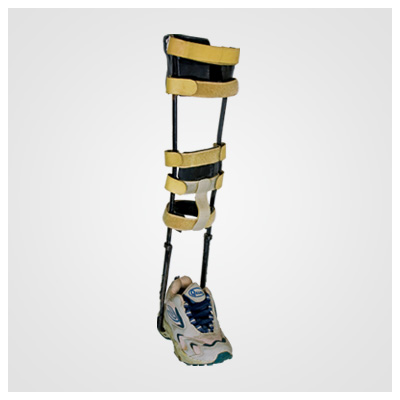
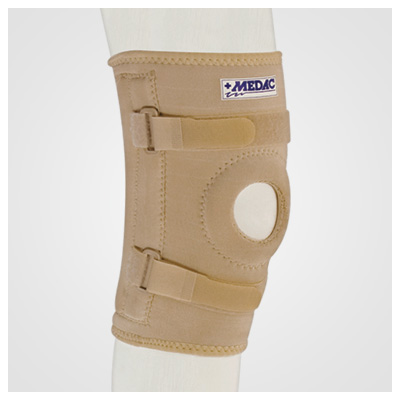
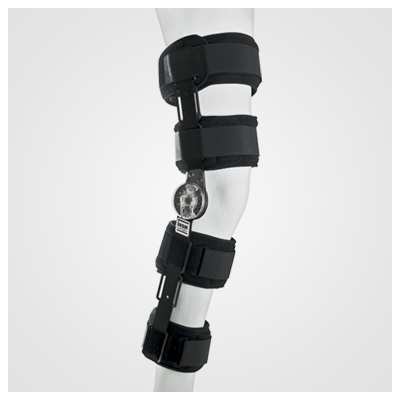
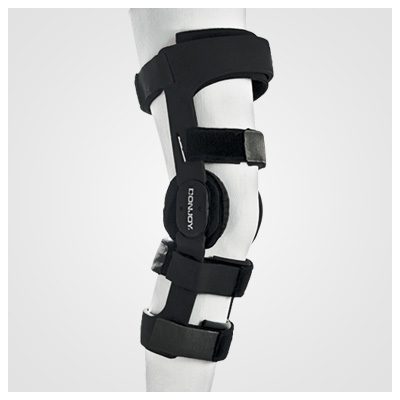
- Knee ligament injuries such as ACL and MCL
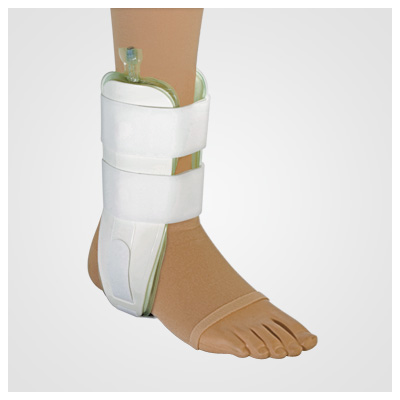
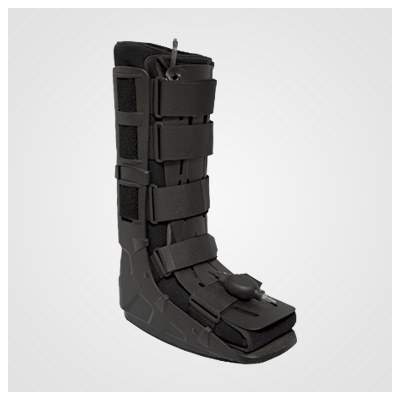
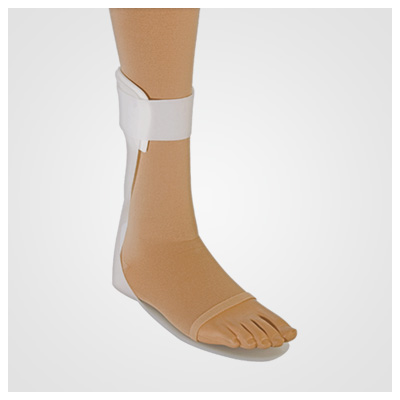
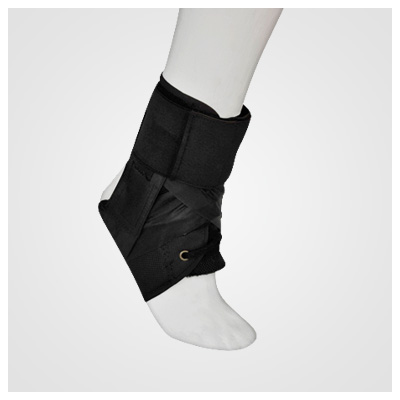
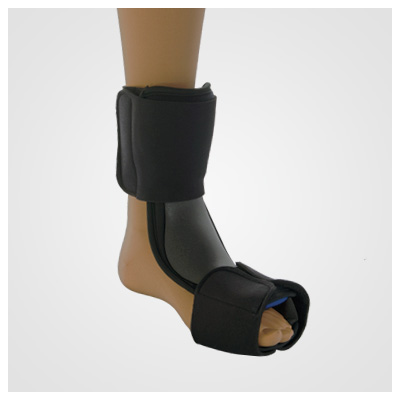
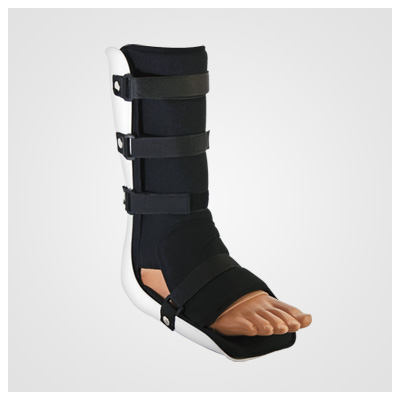
- Ankle instability
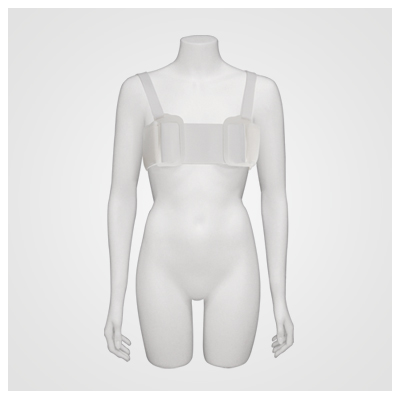
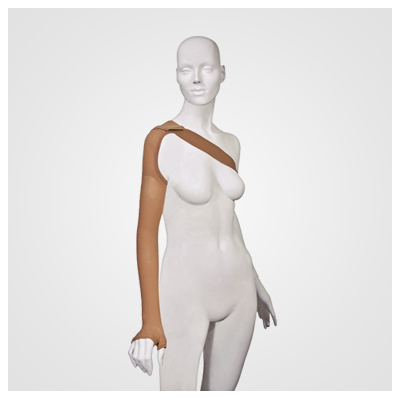
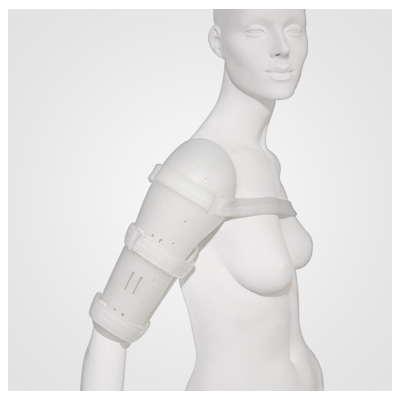
- Shoulder support
- Post injury and return to sport
How sports injury bracing supports your movement.
Sports injury bracing is used to stabilise joints, reduce strain and protect against further injury. It is often recommended during recovery, but can also be used to provide ongoing support where instability remains.
Bracing can help you:
- $Move with greater confidence
- $Reduce discomfort during activity
- $Protect healing ligaments and joints
- $Maintain activity levels during recovery
Each patient is assessed individually to determine the most appropriate solution. Getting this right can make a noticeable difference to how you move day to day.
The fitting process.
Getting the right brace is not just about choosing the product, it is about making sure it fits properly and supports you in a way that feels natural and comfortable.
Assessment
We assess how the injury affects your movement, what level of activity you want to return to and where support is needed.
Design
The most suitable brace is selected or designed based on your condition and the demands you place on the joint.
Fitting
The brace is fitted and adjusted to ensure it provides support while still allowing natural movement.
Follow up
As you return to activity, adjustments can be made to improve comfort, fit and performance.





Frequently asked questions
Can a brace help me return to sport after injury?
Yes. The right brace can provide stability and support, helping you return to activity while protecting the joint.
Do I need a custom brace for a sports injury?
Not always. Some injuries can be managed effectively with advanced off-the-shelf braces, while others benefit from a custom solution.
Will a brace weaken my muscles?
When used correctly, a brace supports the joint without replacing natural movement. It is often used alongside rehabilitation and strengthening.
Can I wear a brace during exercise or sport?
Yes. Many braces are specifically designed to be worn during activity, providing support while allowing movement.
Book a sports injury bracing consultation.
Book a consultation to find the right support and get back to moving with confidence.